Put your purchasing policy on every p-card

Give buyers a Payhawk p-card with your purchasing rules built in, so card spend follows the same request to reconciliation process as everything else you buy.


Trusted by 6,000+ forward-thinking finance leaders in 33+ countries
Paradox logo
VinciWorks logo
CWP Global logo
Heroes logo
GDS logo
Quantive logo
Aventum logo
Chaos logo
Paradox logo
VinciWorks logo
CWP Global logo
Heroes logo
GDS logo
Quantive logo
Aventum logo
Chaos logo

Card spend leaves the procurement process

Small, urgent, card-only purchases cannot wait for a full procurement cycle, so they get bought off-system and reconciled by hand. By the time the statement arrives, you are documenting spend decisions rather than controlling them.

Payhawk Payments Agent notification explaining a £12.50 card payment failed because the Bars & Alcohol merchant category is blocked
Decline out-of-policy spend before it lands

Merchant categories, limits, country rules, and time windows are applied to each p-card, so spend outside your policy is blocked at the point of sale rather than reviewed afterwards.

Pay by card inside your procurement process

Cards are treated as a payment method on a request or purchase order, so the same approval path covers the purchase whichever way it gets paid.
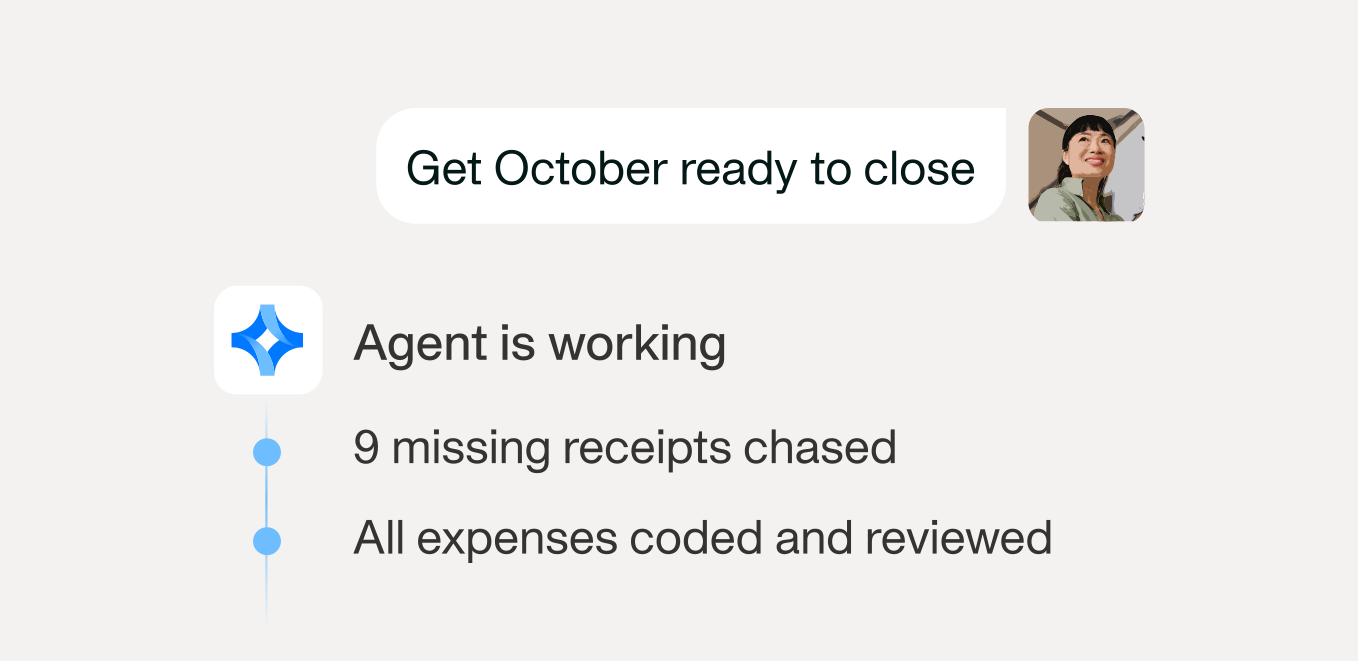
Payhawk agent preparing October month-end close by chasing 9 missing receipts and coding and reviewing all expenses
Close your month with card spend already coded

Payhawk captures the receipt, fetches the missing supplier invoice, codes the transaction, then syncs it to your ERP in real time.

<1 hour
median request approval with the Procurement AI Agent, down from 7 hours
£90M
per month spend approved before the money moves
73%
of card declines come from the customer's own controls

Put the policy where the spending happens

Every control sits on the card itself, applied before a purchase goes through rather than reviewed after the statement lands.

Payhawk spend policy being applied to selected cardholders, including a site manager and a depot lead
Set the rules once for every cardholder

Write your purchasing policy once, then apply it as a reusable spend policy across cardholders. Merchant categories, limits, country rules, time-of-day windows, online payment blocking, ATM blocking.
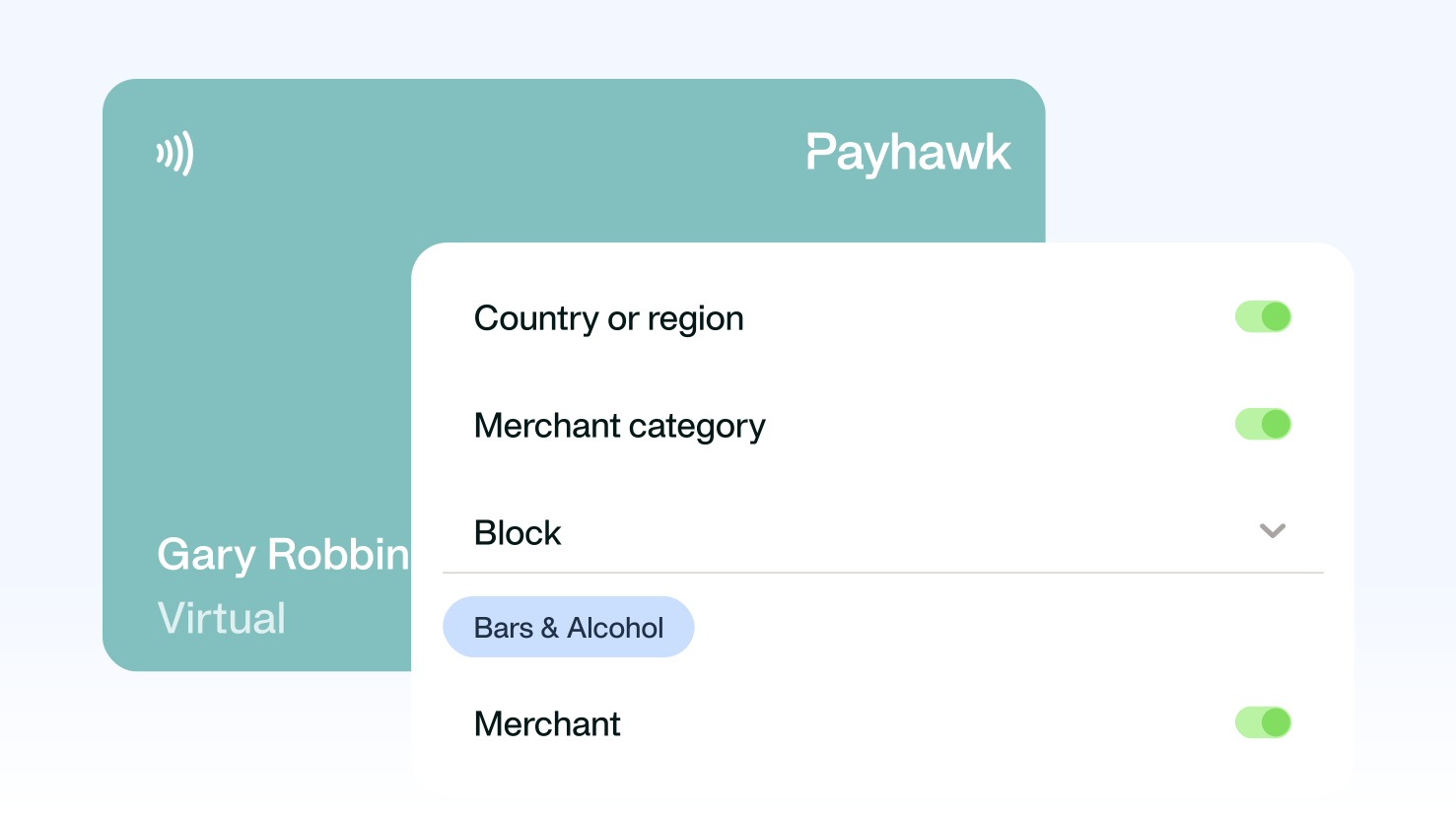
Payhawk virtual purchasing card controls restricting spend by country, merchant category and merchant, with Bars & Alcohol blocked
Issue a controlled card in seconds

Put a virtual card in a buyer’s hands the moment a purchase is approved. Virtual p-cards carry the same limits as physical ones, which suits one-off online spend.
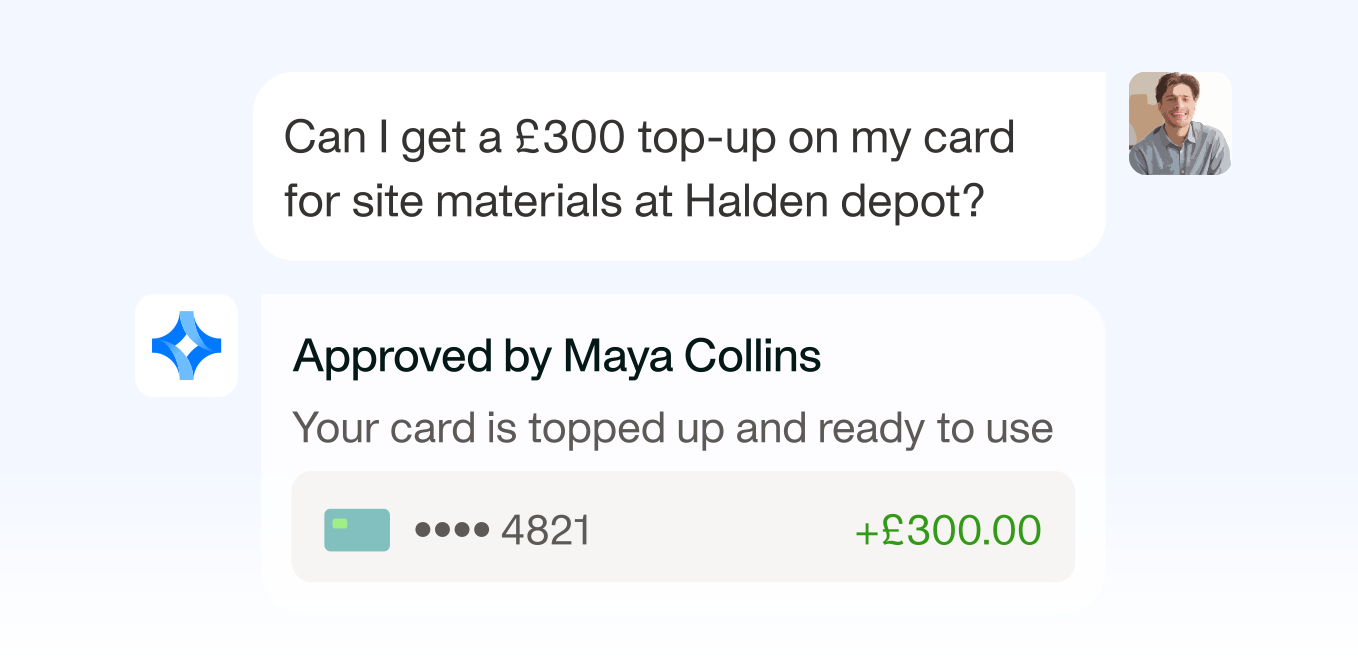
Employee requesting a £300 card top-up for site materials in Payhawk, approved by a manager and added to the card
Approve card requests in under an hour

Requests raised with a card as the payment method are handled by the Procurement AI Agent, which takes median approval from 7 hours to under 1 hour.

Payhawk moving an £800 OpenAI subscription from a departing employee’s card to a new cardholder before it renews
Keep recurring payments when people leave

Reassign the card to a new cardholder and the subscription keeps running under the same controls. Renewal dates stay visible, so nobody rebuilds supplier portal logins.

£63 fuel card transaction from FuelPoint Ltd syncing from Payhawk to Xero, Oracle NetSuite and Sage
Get card spend coded into your ERP as it happens

See card purchases in your ledger the day they happen, coded. The mobile app captures the receipt, Agent Fetch retrieves the supplier invoice, then everything syncs to your ERP in real time.

Don't hear it from us

Andrew Jacobi, VP of US Finance, State of Play
State of Play logo

“Being able to instantly issue a card for our teammate — with the exact limit they need — for a particular vendor lets them stay nimble while we stay in control.”

Andrew Jacobi, VP of US Finance, State of Play

Andrew Jacobi, VP of US Finance, State of Play

See how p-card controls get set up

A p-card in Payhawk runs on your existing card rails (debit or credit, physical or virtual) with your purchasing policy configured into it. Nothing new to issue, no separate process to run alongside the one you have.

FAQ

P-cards, also called purchasing cards or procurement cards, are company cards issued to the people who buy on behalf of the business, with purchasing rules applied to each card. In Payhawk a p-card is a standard corporate card, physical or virtual, carrying procurement spend controls.

A corporate credit card carries a limit. A p-card carries your purchasing policy: which merchant categories are allowed, which merchants, how much per transaction, in which countries, during which periods. In Payhawk the funding source, debit or credit, sits separately from the controls, so the same rules apply either way.

P-cards keep low-value, urgent, card-only purchases inside the procurement process instead of outside it. Buyers get spending access without fronting their own money, procurement sets the rules before the spend rather than reviewing it afterwards, and finance receives coded transactions with receipts attached.

Anyone who buys on behalf of the business in categories too small, too urgent, or too card-only to route through a full PO (i.e., site managers, office managers, marketing and ops leads, depot or branch staff). Each cardholder gets their own card and their own limits, so spend that used to sit on one shared card now sits on a named card with a policy attached.

Yes. In Payhawk, card is a payment method inside the procurement process, so a purchase order can be settled on a p-card without a separate route. Switching the payment method on a request or purchase order does not change the approval path the purchase follows.

Payhawk p-cards support merchant category controls, merchant selection, per-transaction limits, recurring limits, country or region rules, time-of-day rules, time-bound active periods, online payment blocking, ATM blocking. Controls are set as a reusable spend policy, then applied across cardholders.

Cardholders capture the receipt in the Payhawk mobile app, Agent Fetch retrieves missing supplier invoices from supplier portals, categorisation runs automatically, then transactions sync to the ERP in real time.

Prevention starts before the purchase. Every cardholder has their own card with their own limits, merchant rules block spend outside policy, virtual cards contain exposure on one-off purchases, active periods expire cards that are no longer needed. When a cardholder leaves, card reassignment keeps recurring merchant payments under the same controls. Misuse of a legitimate card is a policy problem; a stolen card number is a different one, answered by payment fraud prevention with 3-D Secure, real-time monitoring, plus the option to decline a transaction or block the card.

A good p-card policy names who holds a card, what each cardholder may buy, the per-transaction ceiling, the recurring limit, the merchant categories in scope, the receipt requirement, the approval threshold above which a request is needed, plus a review cadence. In Payhawk each of those becomes an enforced setting rather than a document.